Tree Detection Spraying

Spray Where It Matters

Don’t spray into thin air. No trees, no spraying. Reduce waste, lower costs, and increase sustainability with real-time tree detection.

Traditional orchard spraying treats every row the same, leading to unnecessary chemical use, waste, and runoff. With BBLeap’s Tree Detection Spraying, powered by LeapEye, you can detect trees in real time and spray only where needed – even before leaves appear!


Smarter spraying means healthier orchards, lower costs, and a reduced environmental footprint.
How it works

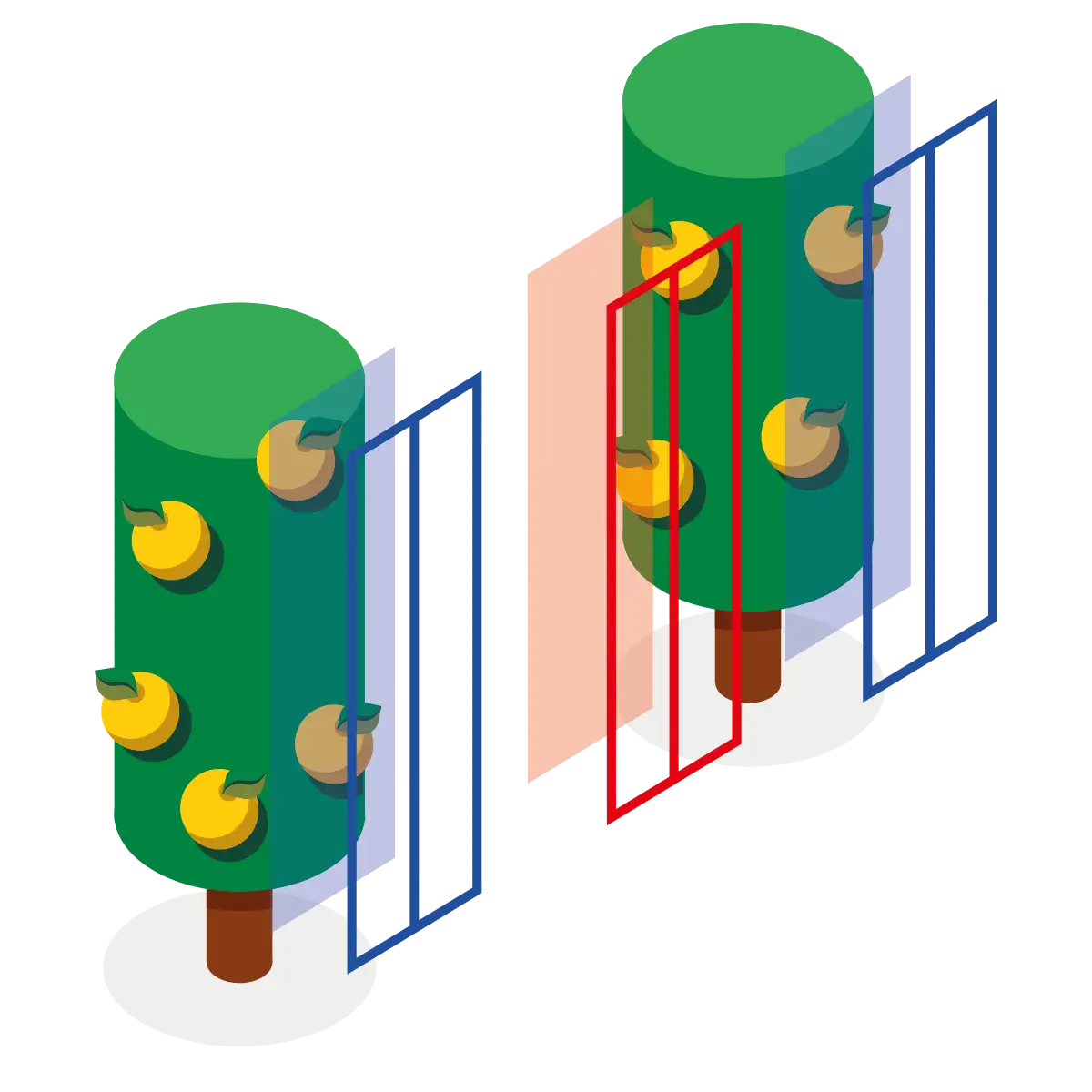
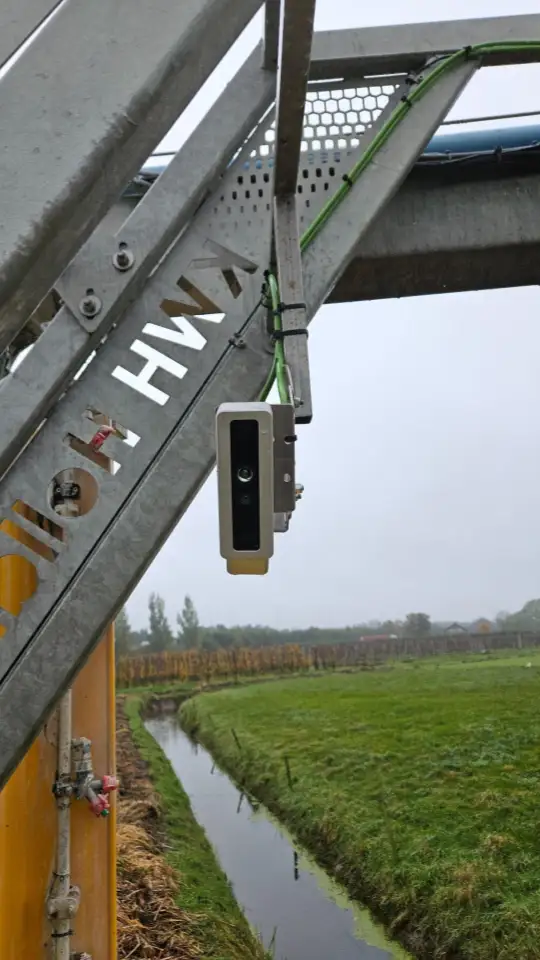
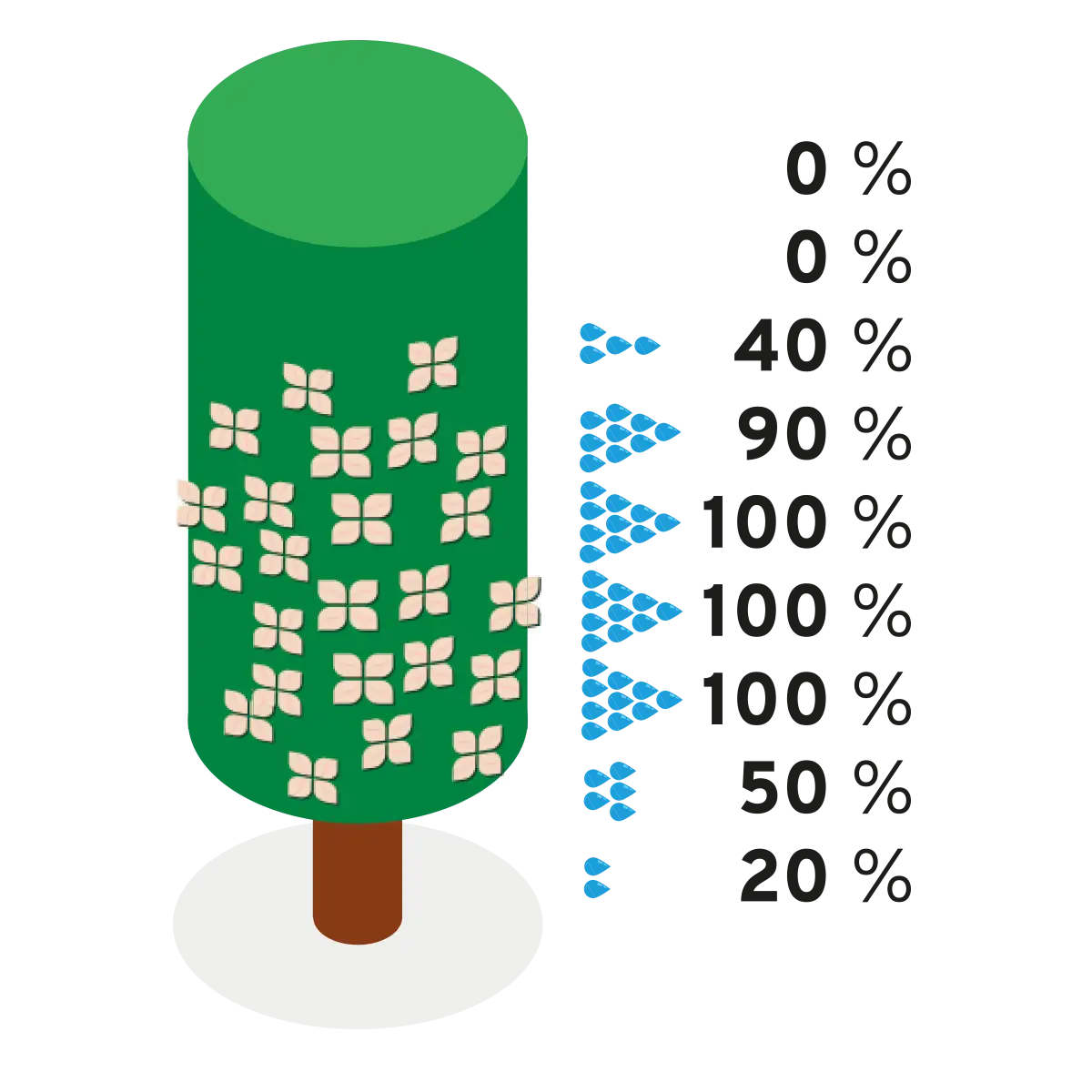
With the use of LeapEye we can detect trees and only spray there were a tree is detected. We are using depth and NDVI data to determine if there is a tree in range. This detection can already be done when there are no leaves on the tree! When a spraying task is done using LeapEye, the system is making pictures throughout the orchard and save those pictures in your LeapSpace account. With LeapEye you can do a real time detection during spraying and so only nozzles that are in range of tree surface will open.

Leapeye is compatible together with tree contour spraying and taskmap spraying

Key benefits

  • Reduce chemical use so saving costs
  • Minimize waste and improves orchard sustainability


Technology used

Frequently asked questions:

  • How does BBLeap’s Tree Detection Spraying work?
    BBLeap’s Tree Detection Spraying utilizes LeapEye to detect trees in real-time. The system employs depth and NDVI data to determine the presence of trees, even before leaves appear. During spraying, images are captured and stored in your LeapSpace account. This technology ensures that only the nozzles within range of a tree surface are activated, guaranteeing that spraying agents are applied precisely where and when needed. This leads to a highly accurate and efficient treatment of your orchard.
  • What are the key benefits of BBLeap’s Tree Detection Spraying?
    Implementing BBLeap’s Tree Detection Spraying offers significant advantages for fruit growers. The system reduces chemical usage, directly leading to lower costs and improved orchard sustainability. By only spraying where trees are detected, waste is minimized, and runoff is reduced. This results in healthier orchards and a smaller ecological footprint. BBLeap enables you to achieve both economic and ecological objectives effectively through a smarter spraying process.
  • Which BBLeap products are essential for Tree Detection Spraying?
    For optimal functionality of Tree Detection Spraying, two core BBLeap products are essential: the LeapBox and the LeapEye. The LeapEye is crucial for real-time tree detection, by collecting depth and NDVI data. The LeapBox serves as the brand-independent, modular spraying system that controls the application based on the detection data. Together, these technologies form a powerful combination that elevates precision in orchard spraying to a new level. The captured images are stored in LeapSpace for monitoring and analysis.
  • Why is real-time tree detection important for orchard spraying?
    Real-time tree detection is crucial to prevent waste of spraying agents in orchards. Traditional spraying methods often treat every row uniformly, leading to unnecessary chemical use in areas without trees or leaves. By detecting trees directly during spraying, crop protection is applied only where it is truly needed. This significantly saves costs, minimizes environmental impact through reduced runoff, and contributes to healthier, more sustainable orchards that are managed more efficiently.
  • How can precision spraying technology contribute to more sustainable orchard management?
    Precision spraying technology contributes significantly to more sustainable orchard management by optimizing resource allocation. By applying spraying agents exclusively to specific locations where trees are present, the total chemical consumption is drastically reduced. This not only lowers costs for the grower but also minimizes environmental impact, such as soil contamination and runoff into water. The result is more efficient operations, healthier soil, and increased biodiversity, which is essential for future-proof agriculture.