7 ways to start farming better

1. Satellite data

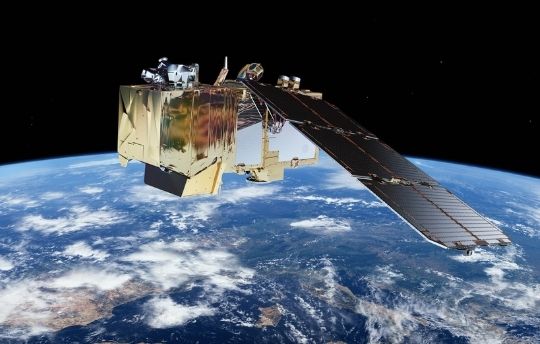
Satellite data is free and is easily accessible through a subscription at a variety of farm management systems. Use satellite data for variable spraying, nutrient applications, disease and pest prevention, or anticipate soil conditions

More extensive satellite data are available through external platforms. Farm management systems often have direct connections with such platforms. Data can be uploaded easily within your own farm management platform and converted to variable spraying task maps.
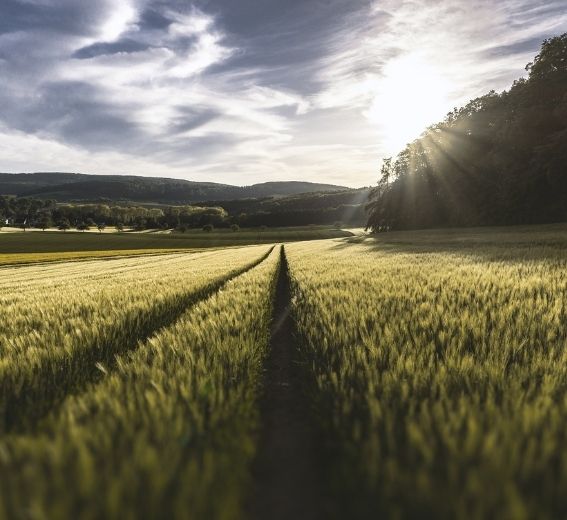
Satellite data precision farming
Precision Farming Shadow Maps

2. Shadow field maps

Shadows can be the root cause and predictor of specific problems. Especially parts of the field that remain moist due to shadow are particularly sensitive to develop a fungus disease. Fields that are your own, you know where to expect trouble. What if you could anticipate this threat without bothering all other crops on your field?
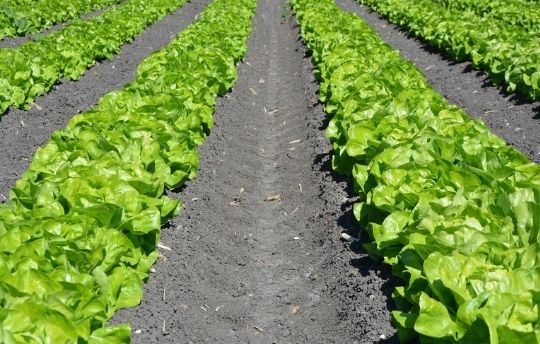
Spray inbetween row crop

3. Spray in between rows

Row crops can have a variety of needs for protection and minerals. To spray in between rows against weeds is more targeted. It results in higher efficiency of liquids used, potentially less use of liquid, and a stress reduction for the crop.

Pre-set different lines for weed spraying in between rows or beds. Leapbox enables you to preset A, B, C, or D lines. Pre-set a combination of lines to care for crops seeded and planted at different distances.

4. Spray on top of rows

Spraying on top of rows increases efficiency and decreases emission. The applications that are only effective with foliage contact are now needlessly sprayed in between rows.

LeapBox allows you to pre-set different lines to spray on top or in between rows. A combination of lines (A, B, C, D) is available. This creates the possibility for a wide range of applications and row crop settings and bed sizes.
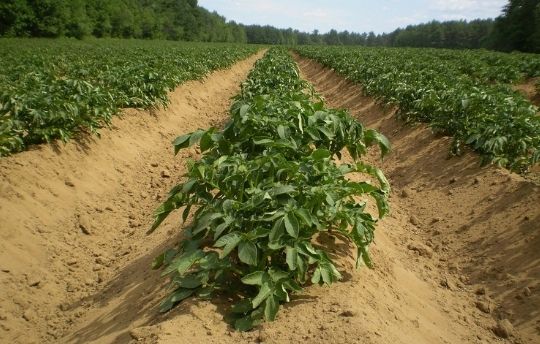
Potato row crop
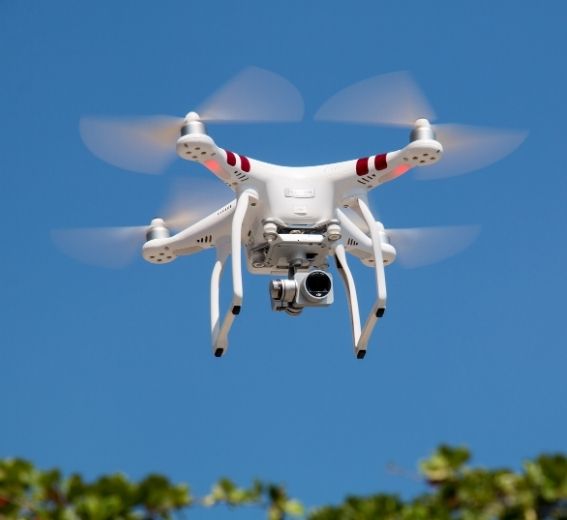
Drone data precision farming

5. Use drone data

Drone data is especially interesting to work with high-resolution data for smaller fields. Upload the drone data into a farm management system and turn it into a task map. Ask us to get in touch with users of the farm management system of your choice.

6. Spray biomass density

Adjust distribution based on biomass density for more effective and sustainable potato desiccation. Data to spray on based on biomass density can be retrieved by using drones. Another option is by using a camera system for real-time scanning and action. A camera system can be installed and connected to LeapBox. LeapPlus is our connector to get you set up with additional hardware.
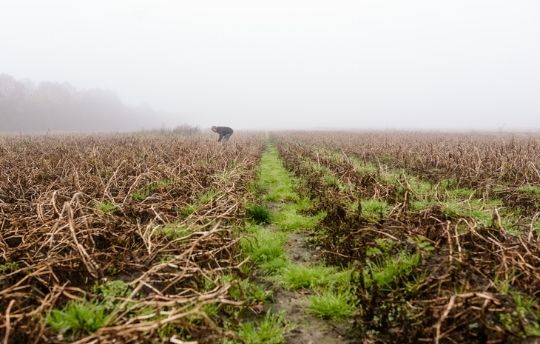
Potato dessication - biomass density
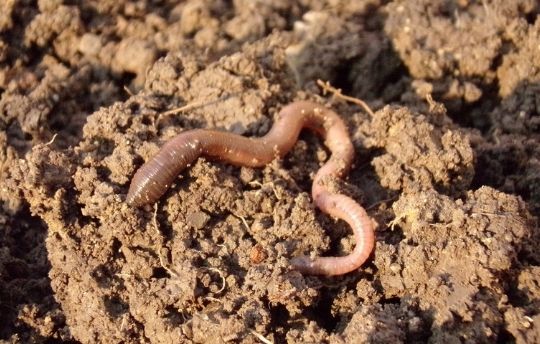
Worm - Soil humus

7. Soil humus levels

Different humus levels influence the growth of your crop. Current farming techniques treat soil as if it is homogenous while plants within a field have completely different needs. The use of soil maps can help to indicate the humus levels and adjust nutrition and minerals accordingly. Data can be uploaded to a farm management system to turn into a task map for your sprayer.

Configure your LeapBox

Go to LeapBox configurator and get more information about your possibilities.

Get a quote

It’s nothing compared to its potential.
Explore possibilities

What else is interesting for you?
Sprayer & GPS check

Learn what their capabilities are.

Go to LeapBox or explore other BBLeap technologies.

LeapBox
LeapCat trl
LeapCrest trl
LeapEye
LeapPlus trl

Frequently asked questions:

  • How does BBLeap contribute to better farming with satellite data?
    BBLeap utilizes satellite data to assist farmers with variable spraying, nutrient applications, and anticipating soil and crop conditions. This data, easily accessible through various farm management systems, can be converted into precise task maps. By using these task maps with BBLeap's technology, such as the LeapBox, spraying can be highly targeted. This leads to more efficient use of resources and improved crop health, aligning with our vision of 'Farming On Plant Level' and 'Clean Food. Clean World.'.
  • How does BBLeap's LeapBox support targeted spraying within and on rows?
    BBLeap's LeapBox enables highly targeted spraying, both between and on the rows, which is crucial for efficient crop management. For spraying between rows, this effectively combats weeds with less liquid and reduced crop stress. When spraying on top of rows, active ingredients reach only the crop foliage, minimizing waste. With the LeapBox, you can pre-set different lines (A, B, C, D) to precisely tailor spraying to various crop distances and bed sizes for optimal precision.
  • What role do drone data and biomass spraying play in BBLeap's solutions?
    Drone data and biomass density-based spraying are essential within BBLeap's precision agriculture solutions. Drone data provides high-resolution information for detailed task maps, especially for smaller fields. This data can be easily uploaded to farm management systems. By combining it with real-time scans from a camera system connected to LeapBox via LeapPlus, BBLeap can precisely adjust spraying to biomass density. This is particularly effective for applications like potato desiccation, resulting in more sustainable and effective resource use.
  • How can precision spraying improve crop health and reduce costs?
    Precision spraying improves crop health by applying resources only where and when needed, based on satellite data or soil analyses. This minimizes unnecessary exposure of healthy plants and the environment. Simultaneously, operational costs are significantly reduced due to less need for crop protection products, fuel, and labor. Targeted interventions maximize the effectiveness of each application, leading to healthier crops, higher yields, and a more sustainable farming operation. This demonstrates the direct economic and ecological benefits for the grower.
  • Which technologies are essential for variable rate application in modern agriculture?
    For variable rate application in modern agriculture, several key technologies are essential. Firstly, data sources such as satellite data, drone imagery, and soil maps form the basis for identifying variations within fields. This data is processed in farm management systems to generate detailed task maps. Secondly, advanced spraying systems are required that can interpret these task maps and adjust dosage and spray pattern in real-time. This includes modular control systems and sensor technology, such as cameras for biomass detection, ensuring precise and efficient application at plant level.